

ΙΕΜ.1-1 Quantitative methods and statistical applications
Instructors: M. Hatzaki; M. Dimiza; E. Skampa
SEMESTER: 1st
LEARNING OUTCOMES
The aim of the course is to provide students with the ability to handle the main statistical analysis tools that will help them in the computational part of their work. In this context, the course teaches the main concepts of descriptive and explanatory statistics, hypothesis testing, etc. The students familiarize with data visualization and the use of statistical software and programming languages.
CONTENT:
Theoretical content (lectures)
- Introduction to SPSS and PAST
- Introduction to R programming
- Descriptive statistics
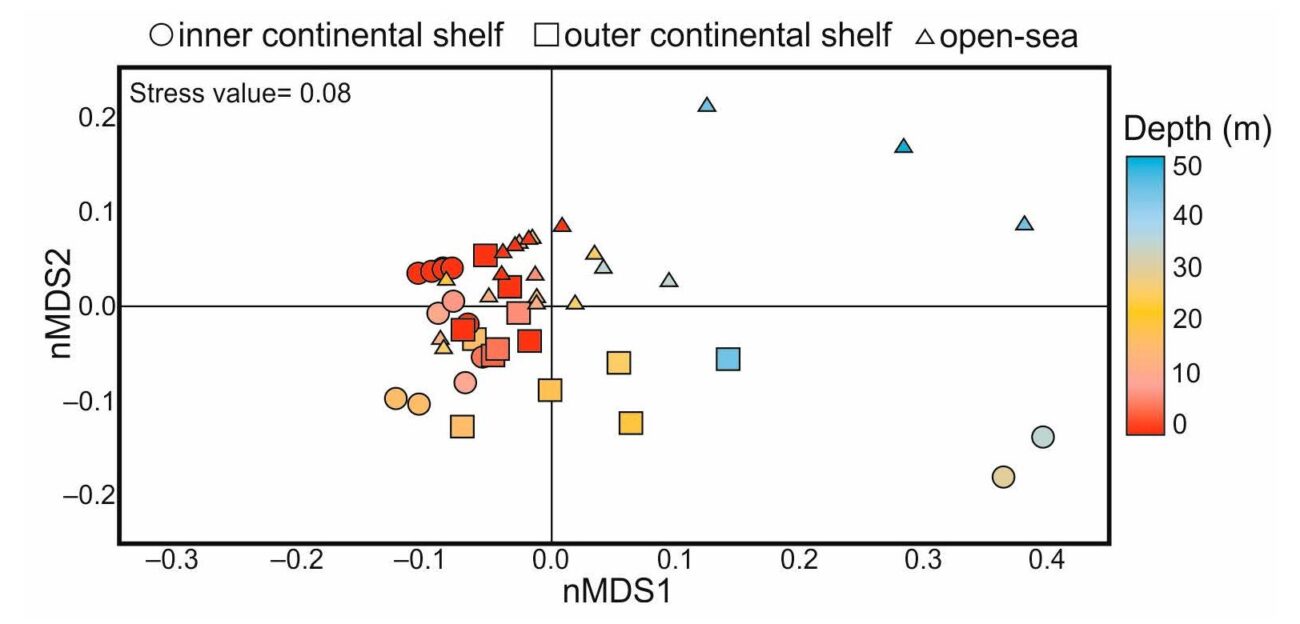
- Data visualization
- Theoretical distributions
- Confidence intervals
- Hypothesis testing and significance tests
- Analysis of variance
- Regression analysis and correlation
- Cluster analysis
- Multivariate statistical methods
- Introduction to spectral methods
- Environmental applications of the taught methods
BREAKDOWN OF WORKLOAD
| Activity | Semester Workload (hours) |
| Lectures | 52 |
| Study for the exams | 33 |
| Practical exercises | 40 |
| Total | 125 |
STUDENT EVALUATION/GRADING
The evaluation process is conducted in English, either with progress in separate sections of the material or with the final examination of the whole material and includes:
The final grade is formed through a series of tests that include:
1. LECTURES (50%)
- Understanding and applying the data analysis methods during the semester
2. PRACTICAL EXERCISES (50%)
- Written examination with exercises and problem solving
A total pass mark is required from both assignments
SUGGESTED LITERATURE
- Schaum’s Outline of Theory and Problems of PROBABILITY AND STATISTICS, Murray S. Spiegel, McGraw-Hill, 2nd Edition, 2000
- Dan E. Kelley. Oceanographic Analysis with R. Springer-Verlag, New York, 2018; ISBN 978-1-4939-8842-6
Website:
 English
  Greek
Greek